How https://www.mygemspot.com Upgrades Your Gemstone Shopping Experience for Quality Assurance
Understanding Quality in Gemstones
When delving into the world of gemstones, understanding quality is paramount. Quality influences not only the aesthetic appeal of the gemstone but also its market value and longevity. The intricate nature of gemstones, combined with the variables affecting their quality, makes it crucial for both seasoned collectors and new buyers to educate themselves on what defines a high-quality stone. This article covers in-depth insights into gemstone quality, the importance of reliable merchants, and the latest trends shaping the gemstone market.
What Defines Quality in Gemstones?
Quality in gemstones is determined by several factors commonly referred to as the “Four Cs”: Carat, Cut, Color, and Clarity. Each of these elements plays a critical role in establishing a gemstone’s value and desirability.
- Carat: This measures the weight of the gemstone. Generally, heavier stones are more valuable, but larger sizes can vary significantly in price depending on other quality factors.
- Cut: The cut affects the stone’s brilliance and how well it reflects light. A well-cut gemstone will exhibit a sparkle that enhances its beauty.
- Color: The color quality encompasses hue, saturation, and tone. In gemstones like sapphires and rubies, richer colors often command higher prices.
- Clarity: This assesses the presence of inclusions or blemishes within the stone. Higher clarity typically results in a more valuable gemstone.
Key Characteristics of Precious Stones
Beyond the Four Cs, other characteristics can elevate a gemstone’s quality. These include its origin, historical significance, and rarity. For instance, some gemstones are sought after not just for their appearance but also for their unique geological story, enhancing their desirability among collectors.
Misconceptions About Gemstone Quality
Many buyers harbor misconceptions about what constitutes a quality gemstone. One prevalent myth is that a higher price always means superior quality. This is not necessarily true; sometimes, gemstones can be overpriced due to branding or market demand rather than quality attributes. Understanding how to assess a gemstone critically can lead to more informed purchasing decisions. For guidance on evaluating gemstone quality, exploring resources like https://www.mygemspot.com can be invaluable.
Finding Trusted Merchants
Finding a reputable merchant is vital in the gemstone buying process. The integrity of the source can often determine the authenticity and quality of the gemstones being purchased.
How to Verify Merchant Credentials
Before making any purchases, buyers should verify a merchant’s credentials. This can include checking for certifications, assessing their transparency with product sourcing, and understanding their return policy. Trustworthy merchants will likely have comprehensive documentation and a solid reputation in the industry.
Importance of Merchant Reviews and Ratings
Reviews and ratings from previous customers are crucial indicators of merchant reliability. Potential buyers should seek out merchants with positive feedback and consistent ratings to ensure they are purchasing from a reputable source. This due diligence can save buyers from pitfalls associated with low-quality or fraudulent products.
Connecting with Reliable Sources Through https://www.mygemspot.com
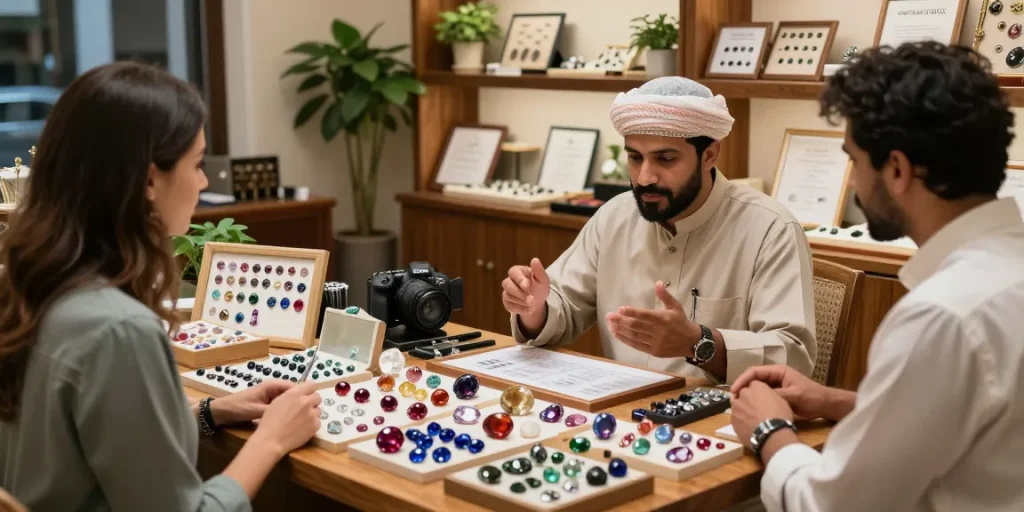
Platforms like https://www.mygemspot.com can help connect consumers with reliable gemstone merchants. By providing a curated directory of vetted sellers, My Gem Spot ensures that buyers can find quality gemstones with confidence. Users can browse through profiles that include specializations, locations, and customer ratings, making the shopping experience seamless and secure.
The Gemstone Buying Process
Purchasing gemstones requires careful consideration and a thorough understanding of what to look for to ensure a wise investment.
Steps to Evaluate Gemstones Before Purchase
Before finalizing a purchase, buyers should evaluate the gemstone thoroughly. This can involve scrutinizing the stone’s visual attributes under various lighting conditions, checking for certification from a reputable gemological laboratory, and comparing similar stones to gauge price fairness.
Negotiation Strategies for Better Deals
Negotiating the price is a common practice in gemstone purchasing. Buyers should research market prices beforehand and be prepared to negotiate based on the quality of the stone and any identifiable flaws or characteristics. Being informed can lead to significant savings.
Integrating Gemstone Purchases with your Collection
Once purchases are made, integrating them into a collection involves thoughtful curation based on personal taste, value, and future potential. Collectors should consider how each addition complements their existing pieces and the overarching theme of their collection.
Latest Trends in Gemstone Quality and Purchase
The gemstone market is continually evolving, with new trends emerging that influence both quality perceptions and buying behaviors.
2026 Gemstone Trends to Watch
As we approach 2026, several trends are emerging in the gemstone market:
- Sustainability: Increased consumer awareness regarding ethical sourcing is leading more buyers to seek sustainably sourced gemstones.
- Custom Designs: There is a growing demand for unique, custom-cut gemstones, allowing buyers to express their individuality.
- Digital Verification: Technological advancements are paving the way for digital certificates and virtual verification processes, enhancing buying security.
Emerging Technologies in Gem Authentication
Advancements in technology have significantly impacted gemstone authentication processes. New laboratory techniques are allowing gemologists to assess the authenticity and quality of stones more accurately. Blockchain technology may also be utilized for tracing the provenance of gemstones, providing buyers with added assurance of their purchases.
Consumer Preferences Shaping the Market
Current consumer preferences are shaping the gemstone market in profound ways. Buyers are increasingly gravitating toward gems that tell a story or have personal significance, resulting in a shift from mainstream purchases to more personalized selections. As a consequence, merchants are adapting their offerings to meet this demand.
Frequently Asked Questions
With the complexity of gemstone purchasing, it’s common for potential buyers to have questions. Below are answers to frequently asked queries.
What are the best ways to assess gemstone quality?
The best ways to assess gemstone quality include understanding the Four Cs, researching the stone’s origins, and consulting reputable sources for verification and advice.
How does https://www.mygemspot.com ensure merchant reliability?
My Gem Spot ensures merchant reliability through a rigorous curation process that evaluates the quality of products and the track record of sellers.
What should I look for in a gemstone certification?
In a gemstone certification, look for details regarding the stone’s quality attributes, the credentials of the issuing laboratory, and a clear description of the stone’s specifications.
How do I start building my gemstone collection?
Start by researching various gemstones, attending gem shows, and connecting with reputable merchants to gain insight and find pieces that resonate with you personally.
Are there any risks involved in online gemstone purchases?
Yes, risks include the potential for receiving counterfeit or misrepresented stones. It’s vital to purchase from verified and reputable sellers and to ensure proper certification accompanies purchases.